
The phrase YouTube to MP4 is one of the most searched terms on the internet. Millions of people want to understand how YouTube videos relate to the MP4 format, why MP4 is so popular, and what options are available for watching videos offline.
Whether you’re a student, content creator, professional, or casual viewer, you’ve probably come across the term at some point. But many people don’t fully understand what MP4 is, how video conversion works, or what the rules are for downloading online content.
In this guide, we’ll explain everything you need to know about YouTube to MP4, including how the MP4 format works, why it is widely used, when offline viewing is allowed, and important copyright and safety considerations.
What Does YouTube to MP4 Mean?
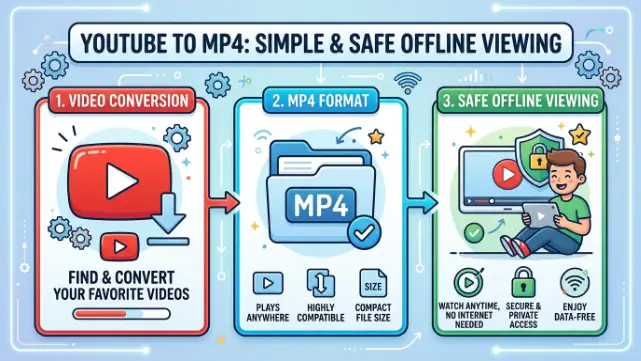
YouTube to MP4 refers to converting or saving a YouTube video into the MP4 file format. MP4 is one of the world’s most popular video formats because it works on almost every modern device.
People often search for this term because they want to watch videos without an internet connection, store personal content, or understand how video files work.
It’s important to remember that not every YouTube video can be downloaded or converted. Whether downloading is allowed depends on the creator’s permissions, copyright, and the platform’s terms.
What Is an MP4 File?
MP4 stands for MPEG-4 Part 14. It is a digital multimedia format designed to store video, audio, subtitles, and images inside a single file.
Over the years, MP4 has become the standard format for online video because it offers an excellent balance between quality and file size.
Today, MP4 files are supported by:
- Windows computers
- macOS devices
- Android phones
- iPhones and iPads
- Smart TVs
- Tablets
- Most web browsers
- Video editing software
Because of this wide compatibility, MP4 remains one of the most commonly used video formats around the world.
Why Is MP4 So Popular?
There are several reasons why MP4 has become the preferred format for digital video.
First, it delivers high-quality video while keeping file sizes relatively small. Smaller files are easier to store and transfer.
Second, MP4 works on almost every operating system without requiring additional software.
Another advantage is flexibility. MP4 files can contain both video and audio while supporting subtitles and metadata.
These features make MP4 suitable for entertainment, education, business presentations, and content creation.
Common Reasons People Search for YouTube to MP4
People search for this topic for many different reasons.
Some creators want to save videos they personally uploaded so they have backup copies.
Students may want offline access to educational material when they know they have permission to download it.
Businesses sometimes archive videos they own for training purposes.
Others simply want to understand how video formats work before choosing software for editing or playback.
The reasons vary from person to person, but understanding copyright and permissions is always important.
Watching Videos Offline
There are legitimate ways to watch YouTube content offline in certain situations.
For example, some videos can be saved for offline viewing through official features available in the YouTube app or through subscriptions that include offline viewing in supported regions.
If you created the video yourself, you can also download your own uploads from your account.
Always make sure you have permission before downloading or storing someone else’s content.
Understanding Copyright
Copyright protects the work created by video producers, educators, musicians, filmmakers, and other creators.
When someone uploads a video, they generally keep the rights to that content unless they choose to share it under different licensing terms.
Respecting copyright supports creators and helps ensure they continue producing valuable content.
Before downloading or converting any video, it’s a good idea to check whether you have permission to do so.
Benefits of the MP4 Format
MP4 remains popular because it combines convenience with excellent performance.
One major advantage is compatibility. Nearly every modern device can play MP4 files without installing additional codecs.
Storage efficiency is another benefit. High-quality video can often be stored using less space than many older video formats.
MP4 files are also easy to edit, making them a favorite among video creators.
Sharing MP4 videos is simple because most social media platforms and websites accept the format.
Devices That Support MP4
One reason MP4 has become the industry standard is its universal compatibility.
Most devices support MP4 playback, including desktop computers, laptops, smartphones, gaming consoles, smart televisions, and portable media players.
Many web browsers can also play MP4 videos directly without requiring plugins.
This broad compatibility saves users time and avoids software compatibility problems.
Tips for Managing Video Files
Organizing your video collection can make it much easier to find important files later.
Using clear file names helps identify videos quickly.
Keeping backups of your own original videos protects them from accidental loss.
Storing large video collections on external drives or trusted cloud storage services can also free up space on your computer.
Regularly deleting duplicate files helps keep storage organized and efficient.
Video Quality and File Size
Many people assume larger files always mean better quality, but that is not always true.
Modern compression technology allows MP4 files to maintain impressive visual quality while reducing storage requirements.
The ideal balance depends on your intended use.
Higher resolutions provide sharper images but require more storage space.
For everyday viewing on mobile devices, moderate resolutions often provide an excellent viewing experience while conserving storage.
Safe Practices When Handling Video Files
Whenever you download software or manage video files, security should always be a priority.
Use trusted software from reputable developers.
Keep your operating system and antivirus software updated.
Avoid downloading files from unknown or suspicious websites.
Regularly back up important videos to prevent accidental loss.
Following these simple habits helps protect both your files and your personal information.
Frequently Asked Questions
What is YouTube to MP4?
It generally refers to saving or converting YouTube videos into the MP4 video format.
Why is MP4 so common?
MP4 offers excellent video quality, relatively small file sizes, and broad compatibility with modern devices.
Can every YouTube video be downloaded?
No. Whether downloading is allowed depends on the creator’s permissions, copyright, and YouTube’s terms and available features.
Does MP4 reduce video quality?
Not necessarily. MP4 can maintain very good quality while using efficient compression.
Is MP4 supported on smartphones?
Yes. Android phones, iPhones, tablets, laptops, desktop computers, and smart TVs all commonly support MP4 playback.
Final Thoughts
The popularity of YouTube to MP4 shows how important flexible video formats have become in today’s digital world. MP4 remains one of the best formats for storing, sharing, and playing videos because it combines excellent compatibility with efficient file sizes and reliable performance.
Whether you’re learning about digital media, managing your own video library, or exploring offline viewing options that you have permission to use, understanding the MP4 format is valuable. By respecting creators’ rights and using legitimate methods for offline access, you can enjoy video content while supporting the people who create it.
As video technology continues to evolve, MP4 is expected to remain one of the most widely used formats thanks to its versatility, quality, and compatibility across virtually every modern device.